
-
₹{{formatIndianNumber(floor((item.final_price) ?? (item.variant.price*item.quantity)))}}
₹{{formatIndianNumber(floor((getUserOriginalPrice(item))))}}
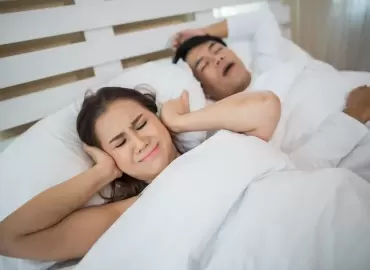
Sleep Apnea Explained: Causes, Symptoms & Better Sleep Solutions
July 31, 2025
Have you ever woken up feeling tired, even after a full night’s sleep? Or has someone told you that you snore loudly or stop breathing in your sleep? If yes, you might be experiencing sleep apnea—a condition that affects millions of people but often goes unnoticed.
Let’s discuss sleep apnea, how it is caused, what its symptoms are, and how you can improve your sleep if you’re dealing with it. No medical jargon, just real talk.
What is sleep apnea?
Sleep apnea is a sleep disorder or health problem where your breathing repeatedly stops and starts while you sleep.
These pauses can last from a few seconds to a minute, and they can happen dozens or even hundreds of times a night.
Because of these interruptions, it can lead to serious issues like stroke, heart diseases, diabetes, depression, and more.
There are three main types of sleep apnea:
Obstructive Sleep Apnea (OSA): The most common type. It happens when your throat muscles relax too much, blocking your airway.
Central Sleep Apnea (CSA): Less common. Your brain doesn’t send proper signals to the muscles that control breathing.
Complex (Mixed) Sleep Apnea: A combination of both OSA and CSA.
Common symptoms of sleep apnea
Sleep apnea can be tricky to spot because it happens while you’re asleep. Often, it’s their partner or their family who notices, and below are the red flags you should notice first-
Loud snoring
Feeling extremely sleepy during the day
Morning Headaches
Mood swings
Dry mouth or sore throat after waking up
Difficulty in concentrating
What causes sleep apnea
There are several things that can increase the chances of sleep apnea-
Excess weight: Being overweight can increase the risk of sleep apnea as fat deposits around your upper airway can block breathing.
Age: Sleep apnea is more common in older adults.
Family history: if it runs in your family, then there are high chances of sleep apnea
Smoking: It increases inflammation and fluid retention in your airway, which can cause sleep apnea.
Alcohols: These relax your throat muscles too much during sleep, which can cause sleep apnea.
Better Sleep Solutions:
Sleep apnea can be fixed as it is manageable. Below are the sleep solutions that you can try to fix your sleep apnea.
Change your sleeping position
If you are sleeping on your back, then it can worsen your sleep apnea. Try sleeping on your side to help keep your airway open.
Lose a Little Weight
If you are overweight, then even a small weight loss can reduce sleep apnea symptoms.
Avoid alcohol before bed
Alcohol relaxes your throat muscles, making sleep apnea worse. Try to avoid drinking at least 2-3 hours before bedtime.
Get a supportive mattress
Believe it or not, the right mattresses can help you sleep in a better position and reduce pressure on your airway. At FeatherFresh, our specially designed feather foam mattresses help support your body naturally, improving comfort and promoting deeper, healthier sleep—something every sleep apnea sufferer needs.
Consult a Doctor
Getting a sleep study (polysomnography) is the best way to diagnose sleep apnea. It’s simple and gives you a clear picture of your sleep health.
Conclusion
Sleep apnea isn’t just about snoring- it’s about how well your body is able to rest, heal, and function. If left untreated, it can affect your health, your work, your relationships, and your overall well-being.
But the first step is to solve the problem, and for that, people have to improve their sleeping habits by upgrading their mattress, seeking professional help.
At FeatherFresh, we believe that good sleep is not a luxury—it’s a necessity. That’s why we design our mattresses with advanced foam to help you sleep better, deeper, and longer.

Comments(0)
No comments